
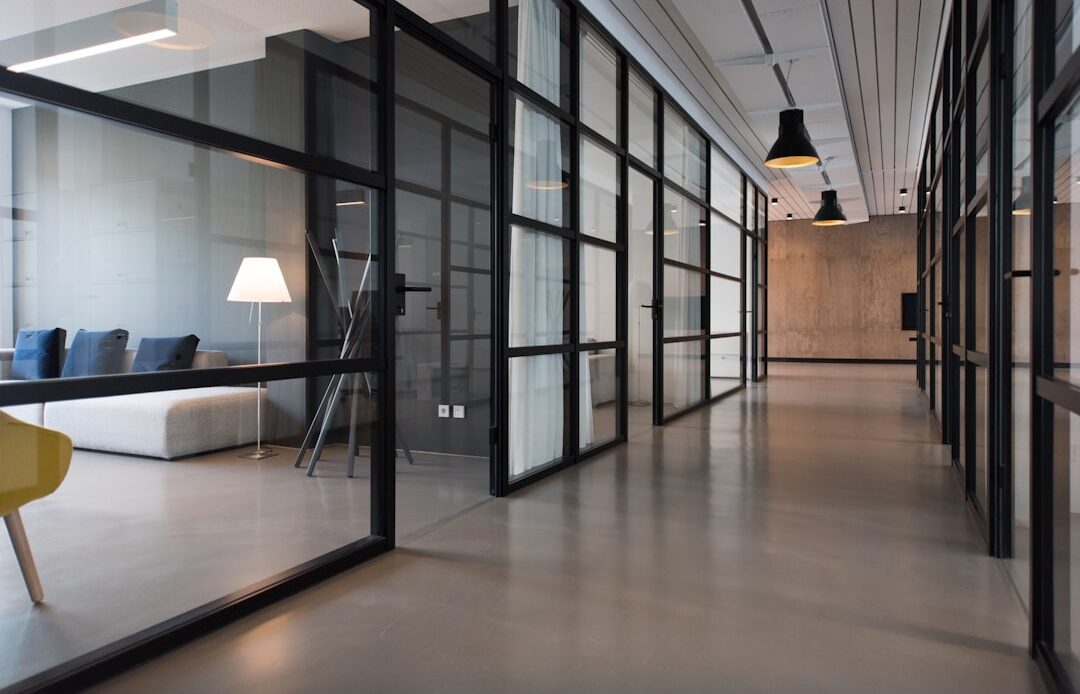
Optimizing office space is a critical component of maximizing productivity. This involves a systematic approach to design and layout, considering both individual needs and collaborative requirements. A well-designed workspace reduces friction, improves focus, and facilitates efficient workflows, much like a finely tuned engine minimizes waste and maximizes output. This article will explore key strategies and considerations for achieving this optimization.
The foundation of a productive workspace lies in ergonomic design, which focuses on fitting the work to the worker. Neglecting ergonomics can lead to discomfort, strain, and reduced efficiency, akin to trying to write with a dull pencil – the effort increases while the output diminishes.
Adjustability and Support
Individual workstations should prioritize adjustable furniture. This includes chairs with lumbar support, adjustable seat height, and armrests. Desks should allow for proper monitor positioning (eye-level and arm’s length) and offer ample surface area. Standing desks, or sit-stand converters, provide the option to alternate postures, which can alleviate the negative effects of prolonged sitting. The ability to customize one’s workspace to individual body mechanics is paramount.
Lighting and Glare Control
Adequate lighting is essential for visual comfort and preventing eye strain. Natural light is preferable, providing a broader spectrum and regulating circadian rhythms. Where natural light is insufficient, task lighting should supplement ambient overhead illumination. Glare from windows or artificial lights on computer screens must be minimized through blinds, curtains, or proper monitor placement. A well-lit space impacts mood and cognitive function, much like sunlight nourishes plants.
Noise Reduction
Unwanted noise is a significant detractor from concentration. Strategies for noise reduction include the use of acoustic panels, sound-absorbing materials in flooring and ceilings, and strategic placement of noisy equipment. Headsets for phone calls and focused work can also mitigate auditory distractions. Creating zones for different noise levels, such as quiet areas for concentration and more open areas for collaboration, is a practical approach.
In the context of office space and its evolving dynamics, it’s interesting to explore how international students, particularly those studying engineering, are adapting to new work environments. A related article that delves into this topic is available at this link, which discusses the challenges and opportunities faced by engineering students in international settings, including their experiences in various office spaces.
Collaborative Spaces and Team Dynamics
While individual workstations cater to focused work, effective collaboration is equally important for many organizations. Optimized office spaces facilitate interaction and communication without impeding individual productivity. These spaces act as fertile ground for ideas, rather than barren landscapes.
Meeting Rooms and Huddle Spaces
Meeting rooms should be equipped with appropriate technology, such as video conferencing facilities and presentation screens, and offer varying capacities to accommodate different group sizes. Huddle spaces, smaller and less formal, encourage spontaneous discussions and quick problem-solving. These informal areas reduce the need for formal bookings and encourage ad-hoc collaboration.
Open-Plan vs. Enclosed Offices
The debate between open-plan and enclosed offices continues. Open-plan designs can foster a sense of community and facilitate communication, but can also lead to increased noise and reduced privacy. Enclosed offices offer greater privacy and noise control but can hinder spontaneous interaction. A hybrid approach often proves most effective, balancing the benefits of both by incorporating dedicated quiet zones within an open-plan layout, or utilizing movable partitions. This creates a flexible ecosystem, like a versatile tool kit with different instruments for different tasks.
Breakout Areas and Social Zones
Dedicated breakout areas and social zones are crucial for employee well-being and informal collaboration. These spaces, offering comfortable seating, refreshments, and a relaxed atmosphere, encourage spontaneous interactions and provide opportunities for mental breaks. These areas can foster a sense of belonging and creativity, serving as informal incubators for ideas.
Technology Integration and Infrastructure

Modern office productivity is inextricably linked to robust technological infrastructure. A seamless technological experience is as vital as the air we breathe in a modern office; without it, everything stifles.
Connectivity and Network Reliability
Reliable and fast internet connectivity is non-negotiable. Both wired and wireless networks must be robust enough to support multiple users and bandwidth-intensive applications. Redundancy measures, such as backup internet providers, can prevent costly downtime. The network is the nervous system of the office, and its health dictates the overall function.
Audiovisual Equipment
Meeting rooms and collaborative spaces require integrated audiovisual equipment. This includes projectors, interactive whiteboards, high-definition displays, and quality audio systems. Ease of use and reliable functionality are paramount to avoid time wasted on troubleshooting.
Power and Charging Solutions
Ample power outlets and charging stations are essential throughout the office, particularly in collaborative and flexible workspaces. Wireless charging options can further enhance convenience. This ensures devices remain operational and work can proceed without interruption, much like a well-fueled vehicle.
Flexibility and Adaptability
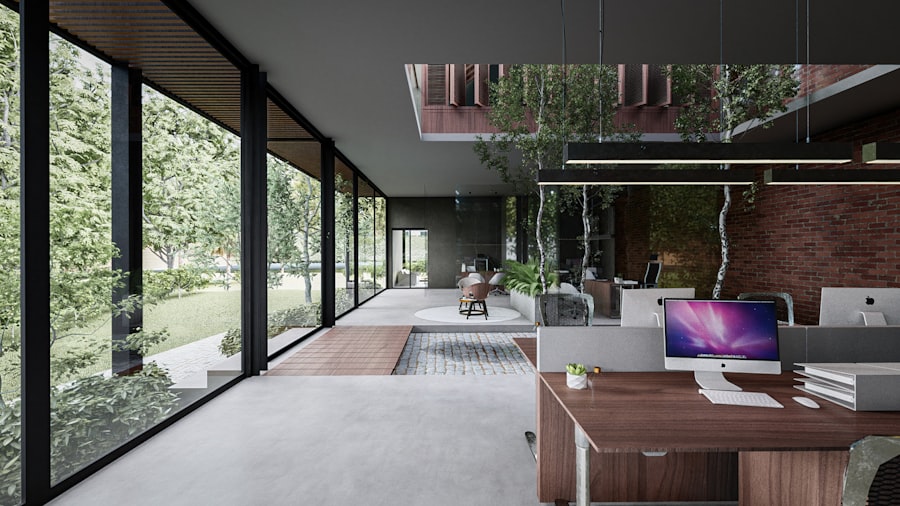
The modern workplace is dynamic, requiring office spaces that can evolve with changing needs. Rigidity in design can quickly lead to obsolescence, much like a static map in a rapidly changing landscape.
Modular Furniture and Movable Walls
Modular furniture allows for easy reconfiguration of workspaces to accommodate different team structures or project requirements. Movable walls or partitions can quickly transform open areas into private meeting spaces and vice-versa, offering adaptability without major construction. These elements provide a reconfigurable canvas for work.
Hot-Desking and Activity-Based Working
Hot-desking, where employees do not have assigned desks, and activity-based working (ABW), where employees choose workspaces based on the task at hand, offer significant flexibility. These models require a variety of workspace types (focus pods, collaborative tables, quiet zones) and robust locker systems for personal belongings. Implementing these strategies requires careful planning and communication to ensure a smooth transition.
Scalability
Office space optimization should consider future growth or contraction. A design that can easily expand or reduce the number of workstations or collaborative areas prevents costly renovations or relocations. This foresight ensures the office can breathe and grow with the organization.
When considering the optimization of office space, it’s essential to understand how effective keyword research can enhance your online presence. A related article that delves into this topic is available at Google Keyword Planner, which provides insights into how to identify the right keywords that can attract potential clients searching for office solutions. By leveraging such tools, businesses can better position themselves in a competitive market, ensuring that their office space offerings are easily discoverable.
Biophilic Design and Well-being
Integrating elements of nature into the office environment, known as biophilic design, can significantly impact employee well-being and, consequently, productivity. These natural elements act as a subtle but powerful balm, soothing the stresses of the workday.
Natural Elements
Incorporating plants, natural light, and natural materials such as wood or stone can reduce stress, improve air quality, and enhance cognitive function. Views of nature, where available, are also highly beneficial. Even images of natural landscapes can offer a subtle positive psychological effect.
Air Quality and Temperature Control
Maintaining optimal indoor air quality through proper ventilation and filtration systems is crucial for health and cognitive performance. Consistent and comfortable temperature control, avoiding extremes of heat or cold, also contributes to sustained focus. These environmental factors, though often unnoticed when good, become significant distractions when poor.
Access to Natural Light
Maximizing access to natural light throughout the office provides numerous benefits, including improved mood, reduced eye strain, and better sleep patterns for employees. Strategic placement of workstations and thoughtful window treatments can ensure equitable distribution of daylight. A brightly lit space, much like a clear sky, promotes clarity and expansive thought.
Optimizing office space is an ongoing process, not a one-time project. It requires continuous evaluation of employee needs, technological advancements, and organizational goals. By systematically addressing ergonomics, collaborative dynamics, technology, flexibility, and employee well-being, organizations can create an environment that not only supports but actively enhances productivity. The office, when thoughtfully designed, transforms from a mere location into a strategic asset.