
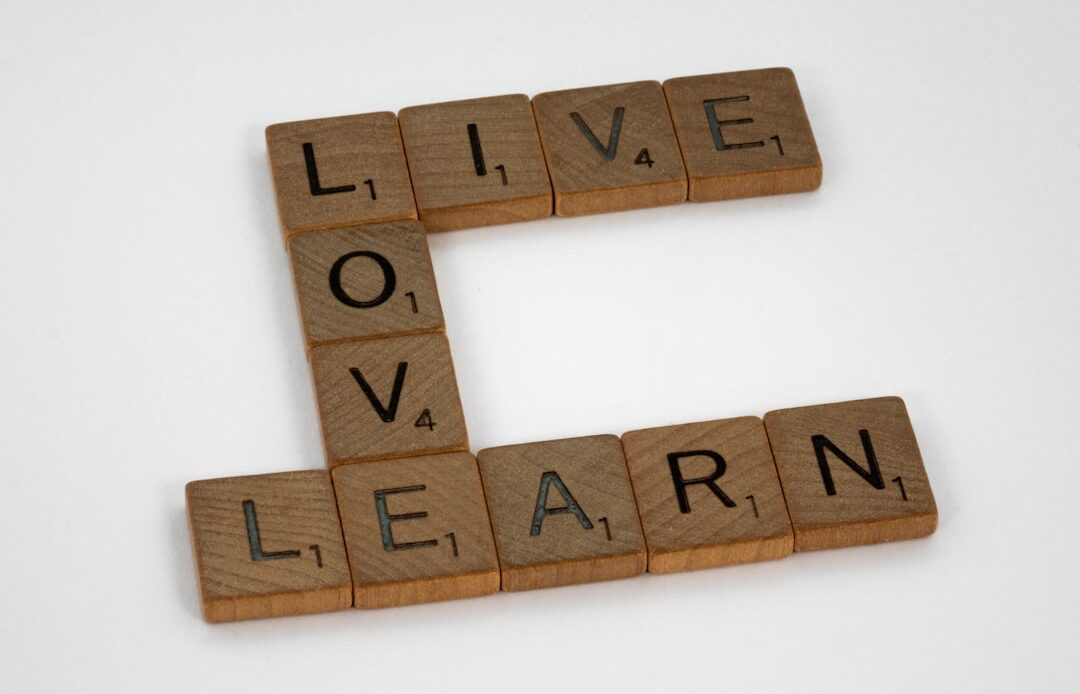
In today’s rapidly evolving world, the significance of continuous learning cannot be overstated. As we navigate through various challenges and opportunities, we realize that the ability to adapt and grow is essential for both personal and professional success. Continuous learning empowers us to stay relevant in our fields, enhances our skill sets, and fosters innovation. By committing to lifelong learning, we not only improve our own capabilities but also contribute to the overall growth of our teams and organizations. This commitment to learning helps us remain competitive in an ever-changing landscape, where new technologies and methodologies emerge at an unprecedented pace.
Moreover, continuous learning cultivates a culture of curiosity and exploration. When we prioritize learning, we encourage ourselves and others to ask questions, seek answers, and explore new ideas. This mindset not only enhances our individual knowledge but also enriches our collective understanding. As we engage in ongoing education, we become more adept at problem-solving and critical thinking, which are invaluable skills in any profession. Ultimately, embracing continuous learning allows us to unlock our full potential and inspires those around us to do the same.
In the pursuit of fostering a culture of continuous learning within organizations, it is essential to consider various factors that contribute to employee engagement and satisfaction. A related article that delves into the importance of choosing the right tools and platforms for enhancing team collaboration can be found here: Best Australian Web Hosting Provider. This resource emphasizes how the right technological support can facilitate ongoing education and development, ultimately leading to a more knowledgeable and adaptable workforce.
Creating a Learning-Focused Environment
To foster a culture of continuous learning, we must first create an environment that prioritizes education and growth. This begins with establishing a safe space where individuals feel comfortable sharing their ideas and asking questions. By promoting open communication and collaboration, we can encourage a culture where learning is not only accepted but celebrated. We should strive to eliminate any stigma associated with making mistakes or seeking help, as these are often the most powerful catalysts for learning.
In addition to fostering open dialogue, we can enhance our learning-focused environment by providing access to resources that facilitate growth. This may include offering workshops, seminars, or online courses that cater to various interests and skill levels. By investing in our team’s development, we demonstrate our commitment to their success and well-being. Furthermore, creating designated spaces for collaboration and brainstorming can inspire creativity and innovation, allowing us to learn from one another in a dynamic setting.
Encouraging a Growth Mindset
A growth mindset is fundamental to the concept of continuous learning. When we adopt this perspective, we view challenges as opportunities for growth rather than obstacles to overcome. By encouraging ourselves and our colleagues to embrace a growth mindset, we can foster resilience and adaptability in the face of adversity. This shift in thinking allows us to approach new tasks with enthusiasm and curiosity, rather than fear or apprehension.
To cultivate a growth mindset within our teams, we can lead by example. Sharing our own experiences of overcoming challenges and learning from failures can inspire others to adopt a similar approach. Additionally, we should celebrate progress and effort rather than solely focusing on outcomes. By recognizing the hard work that goes into learning, we reinforce the idea that growth is a journey rather than a destination. This positive reinforcement can motivate us all to take risks and pursue new opportunities for development.
Providing Opportunities for Skill Development
One of the most effective ways to promote continuous learning is by providing ample opportunities for skill development. We can achieve this by offering training programs tailored to the specific needs of our team members. These programs can range from technical skills training to soft skills development, ensuring that everyone has access to resources that align with their career goals. By investing in our team’s growth, we not only enhance their capabilities but also strengthen our organization as a whole.
In addition to formal training programs, we can encourage skill development through mentorship and coaching initiatives. Pairing experienced team members with those seeking guidance creates a supportive environment where knowledge can be shared freely. This one-on-one interaction fosters deeper connections and allows for personalized learning experiences that can significantly impact individual growth. By prioritizing skill development in various forms, we empower ourselves and our colleagues to reach new heights in our professional journeys.
Building a culture of continuous learning is essential for fostering innovation and adaptability in any organization. To further explore the dynamics of growth and development within a business context, you might find it insightful to read about the differences between an entrepreneur and a businessperson. Understanding these distinctions can provide valuable perspectives on how leadership styles influence learning environments. For more information, you can check out this article on the difference between entrepreneur and businessperson.
Embracing Failure as a Learning Opportunity
Failure is often viewed negatively in many cultures; however, we must shift this perspective if we are to truly embrace continuous learning. When we encounter setbacks or challenges, it is crucial that we view these experiences as valuable lessons rather than reasons for discouragement. By reframing failure as an opportunity for growth, we can cultivate resilience and determination within ourselves and our teams.
To effectively embrace failure as a learning opportunity, we should encourage open discussions about mistakes and setbacks. Sharing stories of failure can help normalize these experiences and demonstrate that they are an integral part of the learning process. By analyzing what went wrong and identifying key takeaways, we can turn failures into stepping stones for future success. This approach not only fosters a culture of continuous improvement but also empowers us to take calculated risks without the fear of judgment.
Building a culture of continuous learning is essential for fostering innovation and adaptability within an organization. To further explore this topic, you might find it beneficial to read about how to create a corporate culture that supports such initiatives. This article provides valuable insights into the foundational elements necessary for cultivating an environment where employees feel encouraged to grow and develop their skills. For more information, check out the article on com.
au/how-to-create-a-corporate-culture/’>creating a corporate culture that aligns with continuous learning principles.
Fostering a Supportive Community
A supportive community is essential for nurturing continuous learning within any organization. When we create an environment where individuals feel valued and supported, they are more likely to engage in learning opportunities and share their knowledge with others. Building strong relationships among team members fosters collaboration and encourages us all to seek help when needed.
To cultivate this sense of community, we can organize team-building activities that promote trust and camaraderie. These activities can range from informal gatherings to structured workshops focused on collaboration and communication skills. By investing time in building relationships, we create a foundation of support that encourages individuals to share their experiences and insights freely. A strong community not only enhances our learning experiences but also contributes to overall job satisfaction and employee retention.
Recognizing and Rewarding Learning
Recognition plays a vital role in reinforcing the importance of continuous learning within our teams. When we acknowledge the efforts of individuals who pursue growth opportunities or share their knowledge with others, we send a powerful message about the value of learning. By celebrating achievements—big or small—we motivate ourselves and our colleagues to continue striving for improvement.
We can implement various recognition programs that highlight learning milestones or accomplishments within our organization. This could include awards for completing training programs or public acknowledgment during team meetings for those who have taken initiative in their personal development. By making recognition a regular practice, we create an environment where continuous learning is not only encouraged but also celebrated.
Incorporating Learning into Performance Management
Integrating continuous learning into our performance management processes is crucial for fostering a culture of growth within our organizations. By aligning individual goals with learning objectives, we ensure that personal development remains a priority throughout the year. This approach encourages us all to take ownership of our growth while also holding ourselves accountable for our progress.
During performance reviews, we should emphasize the importance of ongoing education and skill development as part of each individual’s career trajectory. By discussing learning goals alongside traditional performance metrics, we create a holistic view of success that encompasses both achievement and growth. This integration reinforces the idea that continuous learning is not just an add-on but an essential component of professional development.
Leveraging Technology for Learning
In today’s digital age, technology offers us unprecedented access to learning resources and opportunities. We can leverage various online platforms, tools, and applications to facilitate continuous learning within our teams. From e-learning courses to virtual workshops, technology enables us to access information at our fingertips, making it easier than ever to pursue knowledge.
Moreover, technology allows us to personalize our learning experiences based on individual preferences and needs. We can utilize data analytics to track progress and identify areas for improvement, ensuring that each team member receives tailored support in their development journey. By embracing technology as a key component of our learning strategy, we empower ourselves and our colleagues to take charge of our education in innovative ways.
Promoting Knowledge Sharing and Collaboration
Knowledge sharing is a cornerstone of continuous learning; when we actively share insights and experiences with one another, we create a rich tapestry of collective wisdom that benefits everyone involved. We should encourage open dialogue among team members by creating platforms for sharing ideas—whether through regular meetings, collaborative projects, or online forums.
By fostering an environment where knowledge sharing is valued, we enhance collaboration across teams and departments. This cross-pollination of ideas often leads to innovative solutions and fresh perspectives on challenges we face. Additionally, when individuals feel comfortable sharing their expertise with others, it reinforces the notion that everyone has something valuable to contribute to the collective learning experience.
Sustaining a Culture of Continuous Learning
Sustaining a culture of continuous learning requires ongoing commitment from all levels of an organization. It is essential that leaders model the behaviors they wish to see in their teams by actively engaging in their own learning journeys. When leadership prioritizes education and development, it sets a powerful example for everyone else to follow.
To maintain this culture over time, we must regularly assess our learning initiatives and adapt them based on feedback from team members. By staying attuned to the evolving needs of our workforce, we can ensure that our approach remains relevant and effective. Ultimately, sustaining a culture of continuous learning is an ongoing process that requires dedication, flexibility, and a shared vision for growth among all members of the organization.
In conclusion, embracing continuous learning is not merely an option; it is a necessity in today’s fast-paced world. By understanding its importance, creating supportive environments, encouraging growth mindsets, providing skill development opportunities, embracing failure as a teacher, fostering community support, recognizing achievements, integrating learning into performance management, leveraging technology effectively, promoting knowledge sharing, and sustaining this culture over time—we can unlock the full potential within ourselves and those around us. Together, let us commit to lifelong learning as a pathway toward personal fulfillment and collective success.