
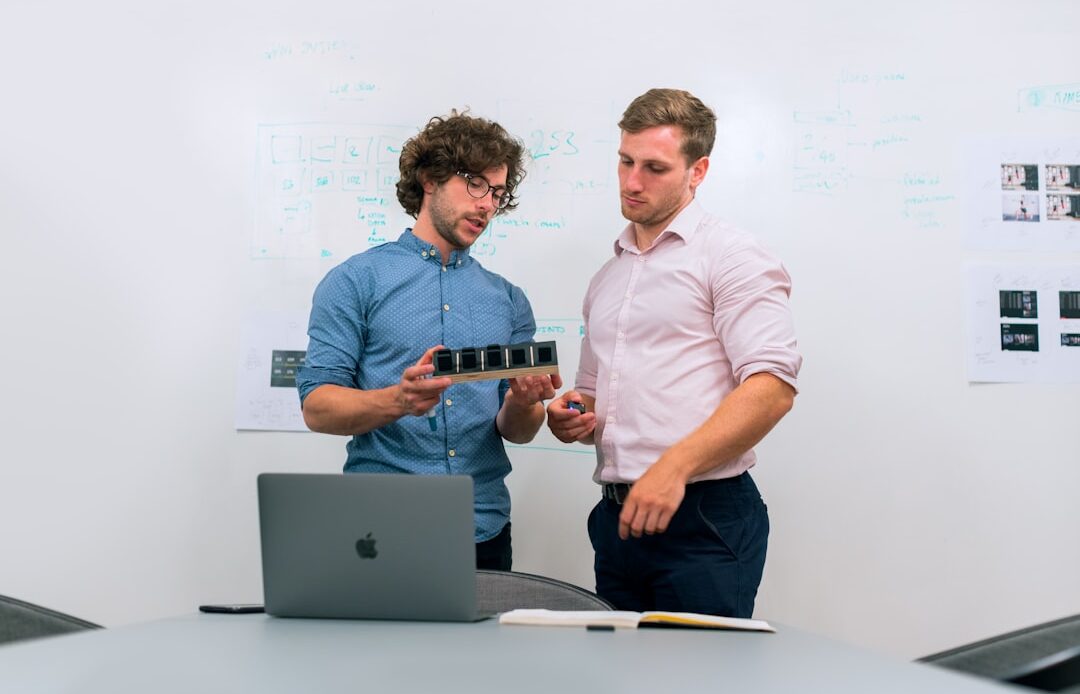
The office isn’t just a place anymore; it’s a dynamic ecosystem, and the technology within it is constantly evolving to make our work smoother and more efficient. So, what’s coming next for office tech? In a nutshell, expect more automation, smarter collaboration tools, and a much deeper integration of AI to handle the mundane, freeing us up for more impactful work. We’re moving beyond basic digital tools to an era where our tech actively anticipates our needs and simplifies complex processes.
Gone are the days of sterile cubicles and isolated desks. The future office is about creating an environment that adapts to its occupants, leveraging technology to enhance comfort, productivity, and collaboration. It’s about a seamless experience, not just individual gadgets.
The Rise of Adaptive Furniture and Environmental Controls
Think about desks that know your preferred height, chairs that subtly adjust for better posture, and lighting that shifts based on the time of day and your specific task. This isn’t just about ergonomics; it’s about creating a personalized, optimized workspace. Sensors embedded in the environment will detect occupancy and adjust temperature, air quality, and even sound masking automatically. Less energy waste, more comfortable employees.
Integrated Security and Access Solutions
RFID, biometric scanners, and smart locks are already common, but expect even more sophisticated integration. Your phone or even your face could be your universal key, granting access to specific areas, lockers, or equipment. This isn’t just about keeping things secure; it’s about frictionless movement and personalized access levels without needing a stack of key cards. Visitor management will also become completely automated, with pre-registration and instant, temporary access permissions.
Intelligent Meeting Room Systems
How often do you struggle to find a free meeting room or battle with a stubborn projector? Future meeting rooms will be self-sufficient. They’ll know when they’re booked and for how long, adjusting lighting and display settings automatically. AI-powered cameras will intelligently frame speakers, and microphones will isolate voices, making remote participants feel more present. Booking systems will be smart too, suggesting optimal room sizes and even integrating with calendars to automatically release rooms if a meeting is cancelled.
In today’s fast-paced work environment, leveraging office technology effectively can significantly enhance productivity and collaboration among teams. For those interested in exploring innovative ways to maximize their content and improve their office processes, a related article can be found at Ways to Repurpose Your Content. This resource provides valuable insights on how to transform existing materials into new formats, ultimately streamlining workflows and making the most of available technology.
Advanced Collaboration and Communication Platforms
The pandemic accelerated our reliance on digital communication, and future tools will build on this, making distributed teams feel closer and more productive. It’s about moving beyond simple video calls to truly immersive and intuitive interactions.
AI-Powered Communication Tools
Imagine a video call where AI automatically provides real-time transcriptions, identifies action items, and summarizes key discussion points afterwards. This isn’t science fiction; it’s becoming a reality. Future platforms will also offer sentiment analysis to gauge team morale, flag potential misunderstandings, and even provide real-time translation for multilingual teams. Background noise cancellation will be so advanced it’ll be imperceptible.
Enhanced Virtual and Augmented Reality for Meetings
While widespread VR meetings are still a bit clunky, the technology is rapidly improving. Expect more polished virtual environments where teams can interact with 3D models, brainstorm on digital whiteboards, and collaborate as if they were in the same room. AR overlays will allow us to project digital content onto our physical desks, making it easier to reference documents or share ideas during a call without obscuring our view of colleagues. This will be particularly impactful for design, engineering, and architectural teams.
Unified Communication Hubs
The future won’t be about juggling five different apps for chat, email, video, and project management. Expect unified platforms that seamlessly integrate all these functions. Think less about switching applications and more about a single, intelligent interface that presents you with the information and communication tools you need, exactly when you need them. These hubs will learn your work patterns and proactively recommend communication methods or relevant collaborators.
Automation and Robotic Process Automation (RPA)
The goal here is simple: let machines handle repetitive, rules-based tasks, freeing up human workers for more creative, strategic, and human-centric work. This isn’t about replacing people, but empowering them.
Intelligent Document Processing
Paper is becoming a relic, but digital documents still require processing. Future offices will leverage AI and machine learning to automatically extract data from invoices, contracts, and forms, categorize them, and even route them for approval. This eliminates manual data entry errors, speeds up workflows, and provides better insights from structured content. Think less scanning, more understanding.
Streamlined Workflow Automation
Many office processes still involve manual handoffs and approvals. RPA will automate these workflows end-to-end. For example, employee onboarding could be largely automated, from sending welcome packs to setting up access and IT accounts, all triggered by a single HR input. Expense reporting, procurement, and even some customer service inquiries will see significant automation, reducing bottlenecks and human effort.
Desktop Automation and Virtual Assistants
Your computer, through advanced AI, will become far more than just a tool. It will be a proactive assistant. Imagine an AI that tracks your usual tasks, suggests relevant files, automatically schedules follow-up emails, or even drafts responses based on context. This isn’t just about voice commands; it’s about an intelligent co-pilot that anticipates your needs and streamlines your digital interactions.
Data-Driven Decision Making
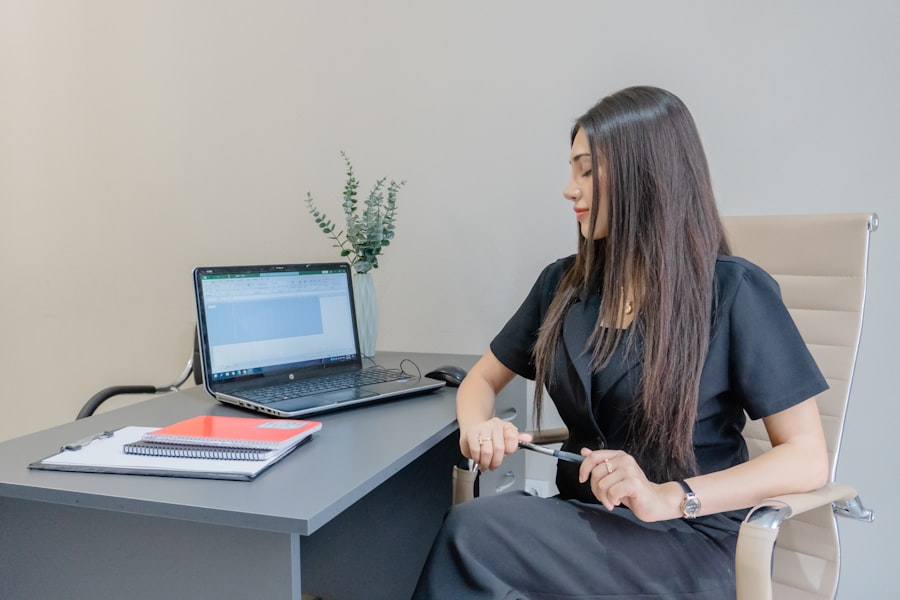
The sheer volume of data generated in an office environment is enormous. The future office will harness this data not just for reporting, but for real-time insights that drive better operational and strategic decisions.
Predictive Analytics for Resource Management
Imagine software that predicts peak desk occupancy, allowing facilities managers to optimize space usage and energy consumption. Or tools that analyze project timelines and resource allocation, identifying potential bottlenecks before they even occur. This isn’t just reactive analysis; it’s about anticipating needs and proactively adjusting.
Performance Analytics and Feedback Loops
Beyond traditional performance reviews, future data insights will provide real-time feedback on team and individual productivity, engagement, and well-being. This isn’t about micromanagement, but about providing actionable insights to help teams work smarter, identify skill gaps, and address potential burnout. Data might even suggest optimal team compositions for specific project types.
Enhanced Security Through Behavioral Analytics
Cybersecurity threats are constant, and future systems will go beyond simple firewalls. Behavioral analytics will monitor user and system activity for anomalies, flagging unusual login times, data access patterns, or software installations that might indicate a breach. This proactive approach to security significantly reduces the risk of successful cyberattacks by identifying deviations from normal patterns.
In today’s rapidly evolving work environment, the integration of advanced office technology plays a crucial role in enhancing productivity and ensuring employee safety. One interesting article that explores innovative strategies for maintaining social distancing in the workplace can be found at this link. By implementing smart solutions and leveraging technology, organizations can create a safer and more efficient workspace for their teams.
Sustainable and Green Office Technologies
Environmental consciousness isn’t just a buzzword; it’s a critical operational imperative. Future office technology will play a significant role in reducing an organization’s carbon footprint and fostering a more sustainable workplace.
Energy-Efficient Hardware and Infrastructure
From low-power servers and network equipment to LED lighting and smart thermostats, the emphasis will be on reducing energy consumption at every level. This includes powering down unused devices automatically, optimizing ventilation systems, and even harvesting kinetic energy from foot traffic in high-traffic areas. The IT infrastructure itself will be designed for minimal environmental impact.
Waste Reduction and Recycling Innovation
Smart bins that automatically sort waste, AI-powered systems that track consumption patterns to reduce single-use items, and partnerships with specialized recycling programs will become standard. The goal is to move towards a circular economy within the office, minimizing landfill waste and maximizing material reuse. Even office supplies will likely have clear, trackable environmental impact labels.
Green IT and Cloud Computing
Moving more operations to cloud-based services can contribute to sustainability by leveraging hyperscale data centers that are often more energy-efficient than on-premise solutions. Future cloud providers will offer even more transparent reporting on their environmental impact, allowing businesses to choose the greenest options. Software-as-a-Service (SaaS) models inherently reduce internal hardware needs.
The trajectory of office technology points towards a future where systems are more intelligent, integrated, and proactive, aiming to make our daily work lives less about administrative burden and more about meaningful contribution. It’s about creating an adaptive, supportive environment that empowers individuals and teams to do their best work, wherever that work may happen.