Making sure you have the right people, at the right place, at the right time – that’s the nuts and bolts of effective staff availability management. It’s not just about filling shifts; it’s about building a reliable team that can handle whatever comes your way, without burning anyone out or leaving yourself short.
At its heart, staff availability management is about balancing supply and demand. You need enough people to cover your needs, but not so many that you’re overstaffed and over budget. This sounds simple, but the reality is often messy. Workloads fluctuate, people get sick, and sometimes – despite best intentions – things just don’t go to plan. The goal is to create a system that actively works to minimize these disruptions and maximize your team’s performance.
The Ripple Effect of Poor Availability
When staff availability is shaky, the consequences can spread far and wide. A single understaffed shift can mean longer wait times for customers, stressed-out colleagues picking up the slack, and a general drop in morale. Over time, this can lead to higher employee turnover, damaged customer relationships, and ultimately, impact your bottom line. It’s a cycle that’s best avoided by getting ahead of the issue.
Defining “Availability” Beyond Just Showing Up
Availability isn’t solely about whether an employee is physically present. It encompasses their readiness and capability to perform their duties. This means considering factors like:
- Skill sets: Do you have people with the right skills available when those tasks need doing?
- Training levels: Are your staff adequately trained for the tasks they’re expected to perform, even during peak periods?
- Motivation and engagement: An available employee who is disengaged might not perform as effectively as someone who is truly present and invested.
Building a Foundation: Accurate Forecasting
You can’t manage availability effectively if you don’t know what you’re going to need. This is where forecasting comes in. It’s not about crystal balls; it’s about using data and informed predictions to anticipate demand.
Analyzing Historical Data
Your past performance is a treasure trove of information. Look at:
- Peak and off-peak times: Identify recurring busy periods and quiet periods. This could be daily, weekly, or even seasonal.
- Special events or promotions: Did a specific sale or event lead to a surge in demand? Factor these into future planning.
- Trends: Are there observable patterns in customer behavior or operational needs?
Incorporating External Factors
Your business doesn’t operate in a vacuum. Consider:
- Economic conditions: How might broader economic shifts impact customer traffic or operational requirements?
- Competitor activity: Are your competitors running promotions that might draw customers away or towards you?
- Local events: A local festival or sporting event can significantly influence availability needs.
The Role of Different Departments
Forecasting isn’t just a line manager’s duty. Input from sales, marketing, and operations is crucial in painting a comprehensive picture of anticipated demand.
- Marketing and Sales: These teams often have insights into upcoming campaigns, product launches, or promotional activities that will directly impact customer volume.
- Operations: They understand the day-to-day flow of work, potential bottlenecks, and the staffing required to maintain efficiency.
Strategic Scheduling Practices
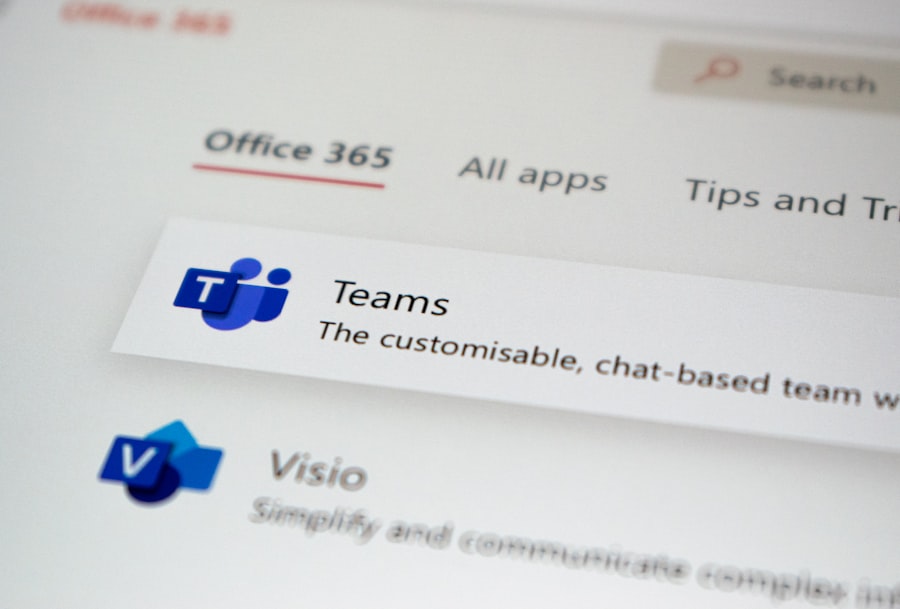
Once you have a handle on your needs, it’s time to translate that into schedules that actually work. This involves creating rotas that are both efficient and considerate of your team.
Different Scheduling Models
There’s no one-size-fits-all approach. Explore various models to see what fits your operation best:
- Fixed Schedules: Employees work the same shifts repeatedly. This offers predictability for staff but can lack flexibility.
- Rotating Schedules: Shifts change over a period (e.g., weekly or monthly). This can help distribute less desirable shifts but requires careful management.
- Flex-Time and Compressed Workweeks: Allowing employees some control over their hours or working longer days for fewer days can boost morale and availability.
- On-Call or Standby: For unpredictable needs, having staff available to be called in can be a lifesaver, but it needs to be managed carefully to avoid exploitation.
The Importance of Skill-Based Scheduling
Simply having bodies is not enough. You need the right bodies.
- Matching Skills to Tasks: Ensure that your schedule actively allocates individuals with the necessary skills and certifications to specific roles and shifts. This prevents situations where you have staff present but unable to perform critical functions.
- Cross-Training: Invest in cross-training your team. This makes your workforce more versatile and reduces reliance on single individuals for specialized tasks. If a key person is unavailable, someone else can step in.
- Regular Skill Audits: Periodically review the skill sets within your team. Are there gaps? Are existing skills up-to-date?
Communicating Schedules Effectively
A well-made schedule is useless if no one knows about it.
- Timeliness: Publish schedules well in advance. This allows employees to make personal arrangements and reduces last-minute conflicts.
- Clarity: Ensure schedules are easy to read and understand. Avoid jargon or confusing abbreviations.
- Accessibility: Make schedules available through multiple channels, whether it’s a physical notice board, an online portal, or a dedicated app.
Managing Absences and Leave
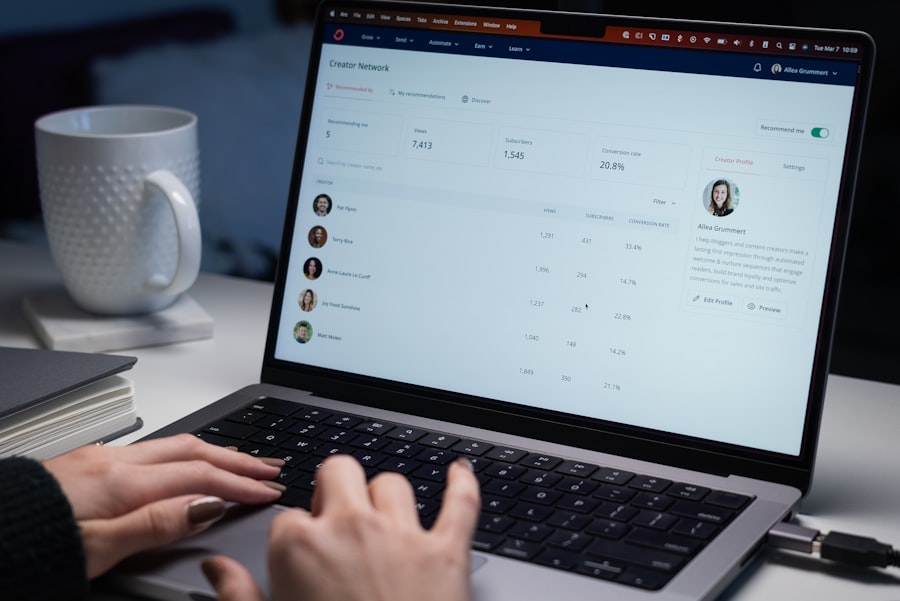
No matter how good your planning, people will be absent. Effective management here is about having clear processes and being prepared.
Clear Absence Reporting Procedures
Make it easy for people to report absences, and make sure you have a consistent way of tracking it.
- Designated Point of Contact: Who should employees inform when they are unable to come to work? Is it their direct manager, HR, or a specific department?
- Communication Channels: What methods should they use? Phone call, email, a dedicated absence reporting app?
- Recording Absence: How will absences be documented? This is crucial for tracking patterns and for payroll.
Leave Request Management
Planned leave needs to be handled efficiently to avoid clashes.
- Application Process: How do employees request annual leave or other types of leave? Is there a form, an online system?
- Approval Workflow: Who approves leave requests, and what is the turnaround time for decisions?
- Balancing Requests: How do you manage multiple leave requests during busy periods? This often requires setting limits or prioritizing needs.
Handling Unplanned Absences
When someone calls in sick unexpectedly, you need a plan.
- Contingency Staffing: Do you have a pool of casual or on-call staff ready to be deployed?
- Re-deployment of Existing Staff: Can you shift existing team members to cover the gap? This is where cross-training is invaluable.
- Real-time Communication: How quickly can you assess the impact of an absence and communicate any schedule changes to the remaining team?
Leveraging Technology for Availability Management
Don’t try to do it all with spreadsheets and sticky notes. Technology can be a game-changer.
Workforce Management Software
These platforms are designed to streamline availability.
- Automated Scheduling: Many systems can generate schedules based on your predefined rules, forecasts, and employee availability.
- Shift Swapping and Bidding: Employees can often manage their own shift changes or offer up shifts to others, reducing the administrative burden on managers.
- Real-time Visibility: Managers can see who is scheduled, who is clocked in, and who is absent in real-time.
- Leave Tracking: Integrated systems for managing leave requests and approvals.
Communication and Collaboration Tools
Keeping everyone informed is paramount.
- Instant Messaging: For quick updates on shift changes or unexpected issues.
- Team Calendars: Shared calendars can provide visibility into upcoming deadlines, meetings, and planned absences.
- Mobile Apps: Many workforce management tools have mobile apps, allowing staff to check schedules, request leave, and communicate on the go.
Data Analytics and Reporting
Technology allows you to move beyond guesswork.
- Identifying Trends: Software can help pinpoint patterns in absenteeism, overtime, and scheduling conflicts that might be missed otherwise.
- Cost Analysis: Understand the impact of different scheduling strategies on labor costs.
- Performance Metrics: Track key indicators related to staffing levels and their correlation with operational efficiency.
Fostering a Culture of Reliability and Support
Ultimately, effective staff availability management isn’t just about systems; it’s about people. Creating an environment where people feel valued and supported will naturally lead to better availability.
Open Communication Channels
Encourage a dialogue about scheduling and availability.
- Regular Check-ins: Managers should have open conversations with their teams about workload, potential stressors, and any challenges they foresee with their availability.
- Feedback Mechanisms: Provide avenues for employees to offer suggestions or voice concerns about scheduling.
- Transparency: Be open about the reasons behind certain scheduling decisions, especially when they might be unpopular.
Fair Workload Distribution
Avoid consistent over-reliance on a few dedicated individuals.
- Recognize Effort: Acknowledge and appreciate the extra effort when people go above and beyond, but don’t make it the norm.
- Monitor Overtime: Keep a close eye on overtime hours and ensure they are distributed fairly and are not consistently falling on the same individuals.
- Address Burnout: Be proactive in identifying and addressing signs of burnout. This might involve adjusting workloads, offering more breaks, or ensuring adequate staffing.
Empowering Employees
When staff feel they have some agency, they are more likely to be engaged and reliable.
- Shift Swapping: Facilitating voluntary shift swaps can give employees flexibility while ensuring coverage.
- Input on Schedules: While you can’t accommodate every request, involving staff in the scheduling process where feasible can increase buy-in.
- Flexibility Options: Where possible, offer flexible working arrangements that align with business needs.
By focusing on these practical steps, you can move from simply reacting to availability issues to proactively managing them, building a more resilient and effective team in the process.