
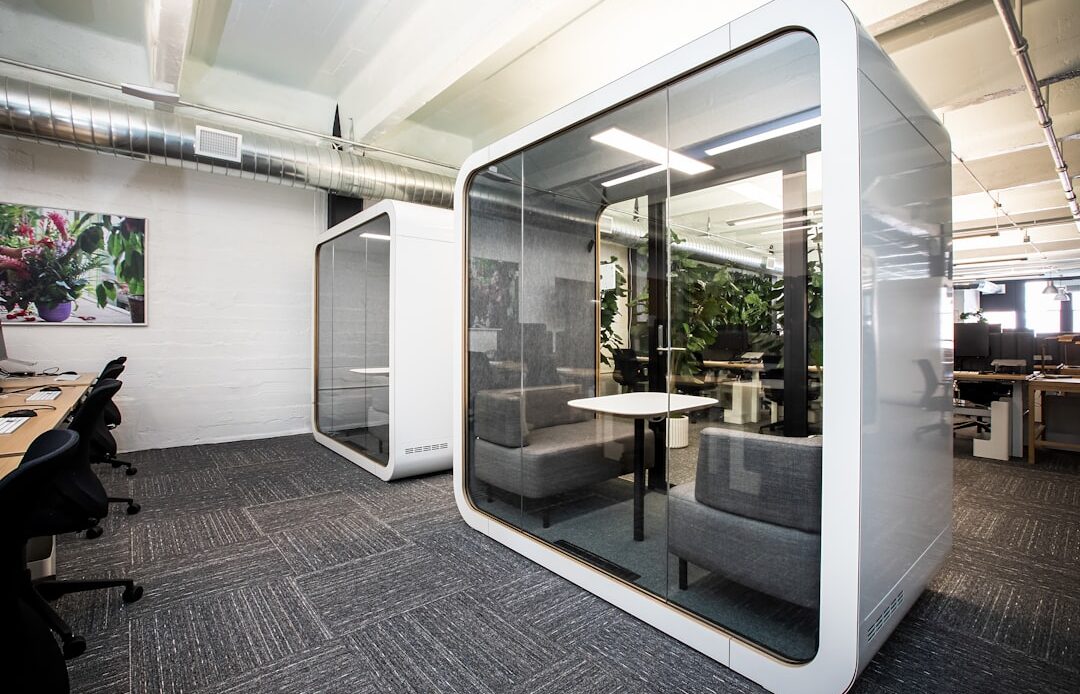
Your workspace is a critical element in daily productivity and overall well-being. The selection of office furniture goes beyond mere aesthetics; it impacts posture, organization, and the psychological perception of work. Investing in well-chosen pieces can optimize the daily routine, turning a mundane area into a functional hub. This article provides guidance on upgrading an office environment through strategic furniture choices, emphasizing practicality and ergonomic considerations.
Before making any purchases, a thorough assessment of your existing office space is necessary. This involves understanding its dimensions, natural light sources, and current functional deficiencies. Consider the activities performed in the space and the objects that need to be accommodated.
Understanding Dimensions and Layout
Measure the length, width, and height of your office. Note the location of windows, doors, and electrical outlets. These fixed elements dictate furniture placement and can limit the size of items you consider. Sketching a simple floor plan helps visualize potential layouts and identify “dead zones” or congested areas.
Identifying Functional Deficiencies
Do you constantly search for documents? Is your back sore after prolonged sitting? These are indicators of functional deficiencies. Lack of storage, uncomfortable seating, or inadequate workspace are common problems that furniture upgrades can address. Compile a list of these issues to guide your selection process.
Considering Workflow and Activities
Analyze your daily workflow. Do you predominantly work on a computer, or do you frequently spread out documents? Do you host clients or collaborate with colleagues in this space? The answers to these questions inform the types of furniture required, from the size of your desk to the need for guest seating.
When considering the essentials for setting up a productive workspace, the choice of office furniture plays a crucial role in enhancing both comfort and efficiency. For those interested in starting an eCommerce business, understanding how to create an appealing and functional office environment can be beneficial. You can find valuable insights on this topic in the article about starting an eCommerce business, which discusses various aspects of setting up your workspace effectively. For more information, check out the article here: Starting an eCommerce Business.
The Foundation: Desks and Work Surfaces
The desk is the operational core of any office. Its size, shape, and features directly influence your work capacity and comfort. A well-chosen desk acts as a silent partner, supporting your tasks without impediment.
Ergonomics of Desk Selection
An ergonomic desk promotes good posture and reduces strain. Consider adjustable-height desks (sit-stand desks) which allow you to alternate between sitting and standing throughout the day. This variability can mitigate the health risks associated with prolonged sitting.
- Height: The desk height should allow your forearms to be parallel to the floor when your shoulders are relaxed and your feet are flat on the ground.
- Depth: Sufficient depth is needed to position your monitor at an arm’s length, reducing eye strain.
- Width: Ensure adequate width for your equipment and any materials you regularly use.
Material and Durability
Desk materials range from laminated particleboard to solid wood. Laminates are generally more cost-effective and scratch-resistant, while solid wood offers durability and a classic aesthetic. Consider the expected lifespan of the furniture and choose materials accordingly. Metal frames provide stability and a modern look.
Storage Integrated Desks
Some desks incorporate built-in drawers, shelves, or cubbies. This can be beneficial in smaller offices where additional storage units are impractical. However, ensure the integrated storage does not compromise legroom or create an overly bulky appearance.
Desk Shapes and Configurations
- Rectangular Desks: The most common and versatile, suitable for various office layouts.
- L-Shaped Desks: Offer a larger work surface and define distinct work zones, ideal for those who use multiple monitors or spread out documents.
- U-Shaped Desks: Provide the most extensive work area, often encompassing multiple task requirements within one unit.
- Corner Desks: Utilize often-underused corner spaces efficiently.
The Ergonomic Command Center: Office Chairs
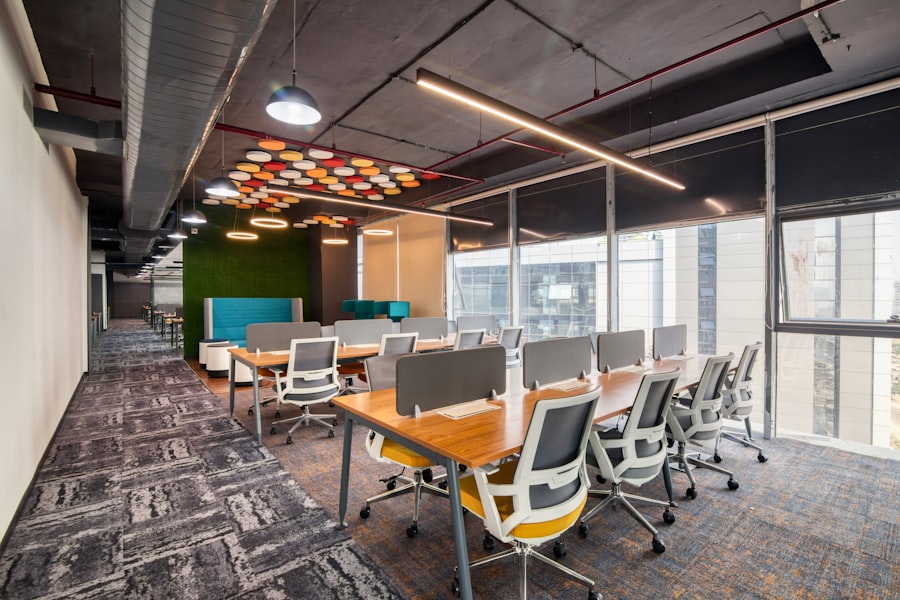
An office chair is not just a place to sit; it is a critical tool for maintaining physical health during extended periods of work. A poorly chosen chair can be a source of discomfort and contribute to musculoskeletal issues.
Adjustable Features for Personalized Support
A good ergonomic chair offers multiple adjustable features to conform to your body. These adjustments are not luxuries but necessities for proper posture and support.
- Seat Height: Allows feet to be flat on the floor or on a footrest, with thighs parallel to the floor.
- Seat Depth: Ensures there is a 2-4 inch gap between the back of your knees and the edge of the seat.
- Lumbar Support: Supports the natural inward curve of the lower back, reducing strain. This should be adjustable vertically and in depth.
- Armrests: Should be adjustable in height and width to support forearms, allowing shoulders to remain relaxed.
- Backrest Angle: Enables reclining for different postures, reducing pressure on the spinal discs.
- Tilt Tension and Lock: Controls the resistance of the recline and allows the chair to be locked in a preferred position.
Upholstery and Breathability
Chair upholstery affects comfort and durability. Mesh materials offer breathability, preventing heat buildup. Fabric upholstery is often comfortable and available in various textures and colors. Leather or faux leather provides a professional appearance but may not be as breathable. Consider the climate of your office and maintenance requirements.
Casters and Base Stability
The chair’s base typically has five casters for stability and mobility. Ensure the casters are appropriate for your flooring type (hard floor casters vs. carpet casters) to prevent damage and ensure smooth movement. A sturdy base, often made of metal or reinforced nylon, is essential for safety and longevity.
Testing Before Purchasing
Wherever possible, test a chair before purchasing. Sit in it for an extended period if possible. Pay attention to how it supports your back, spine, and shoulders. Adjust all features to find a position that feels comfortable and supportive. A chair is a long-term investment in your health.
Organization and Storage Solutions
A clear workspace is a clear mind. Effective storage solutions are the architecture that supports an uncluttered environment, allowing you to focus on tasks rather than searching for items.
Filing Cabinets and Pedestals
- Vertical Filing Cabinets: Space-efficient for letter or legal-sized documents, typically deeper than they are wide.
- Lateral Filing Cabinets: Wider than they are deep, allowing for easier access to files from the top. They can also serve as supplementary work surfaces.
- Mobile Pedestals: Small, lockable units on casters that fit under a desk. They offer flexible storage for personal items and frequently used documents.
Consider the volume of physical documents you need to store. Modern offices often rely more on digital storage, reducing the need for extensive filing systems.
Bookshelves and Open Shelving
Bookshelves are versatile, accommodating books, binders, and decorative items. Open shelving can create an airy feel, but it requires diligent organization to avoid a cluttered appearance.
- Adjustable Shelves: Provide flexibility for items of varying heights.
- Wall-Mounted Shelves: Free up floor space and can be used to display items or hold frequently accessed materials.
Credenzas and Storage Cabinets
Credenzas are typically lower and wider cabinets, often placed behind a desk or along a wall. They offer a combination of drawers, enclosed shelving, and an additional surface area. Storage cabinets, similar to credenzas but often taller, provide secure storage for supplies or confidential documents.
Strategic Placement for Workflow
Position storage units based on your workflow. Frequently accessed items should be within arm’s reach of your desk. Less frequently used items can be stored further away. This minimises unnecessary movement and interruptions to your concentration.
When considering the impact of office furniture on employee productivity, it’s essential to understand how the overall workspace design influences comfort and efficiency. A well-designed office can significantly reduce stress and enhance focus, making it crucial for businesses to invest in quality furnishings. For insights on how various elements of design can affect user experience, you might find this article on website design particularly interesting, as it draws parallels between physical and digital environments. You can read more about it here.
Beyond the Essentials: Enhancing the Office Environment
Once the primary functional pieces are in place, consider additional furniture and accessories that contribute to the overall comfort, aesthetics, and functionality of your office. These elements are the finishing touches that shape the character of the space.
Auxiliary Seating for Collaboration or Guests
If your office is used for meetings or client consultations, consider comfortable auxiliary seating. This could be a set of guest chairs, a small sofa, or an armchair. Choose pieces that complement the existing furniture and are comfortable for short to medium periods of sitting.
Conference Tables or Small Meeting Areas
For offices that regularly host team meetings or client presentations, a dedicated conference table is beneficial. Even a small round table with a few chairs can transform a corner of your office into a functional meeting zone, signaling a shift from individual work to collaborative discussion.
Lighting Fixtures
Adequate lighting is crucial for eye health and productivity. Relying solely on overhead lighting can cause glare or shadows. Incorporate task lighting, such as a desk lamp, to illuminate your immediate workspace. Ambient lighting, like a floor lamp, can soften the overall feel of the room. Choose LED options for energy efficiency.
Greenery and Decor
Plants introduce natural elements, improve air quality, and can reduce stress. Art and decorative objects add personality and can make the office feel more inviting. However, avoid excessive clutter; aim for a curated selection that enhances rather than overwhelms. These are not just aesthetic choices; they are subtle contributors to a productive atmosphere.
Acoustic Solutions
In busier environments, consider acoustic panels or sound-dampening materials. These can reduce echoes and external noise, creating a quieter and more focused work environment.
Investing Wisely: Budget and Longevity
Furniture is an investment. Approaching the purchasing process with a clear budget and an understanding of value can lead to durable and aesthetically pleasing choices that serve you well for years.
Setting a Realistic Budget
Determine how much you are willing to spend before you start shopping. Prioritize the most critical items, such as the desk and chair, allocating a larger portion of your budget to these foundational pieces. Research typical price ranges for the quality of furniture you desire.
Understanding Value vs. Cost
The cheapest option is rarely the best value in the long run. Well-constructed furniture, particularly ergonomic chairs and durable desks, will often cost more upfront but will last longer, provide better support, and potentially prevent health issues. Consider the cost per year of ownership rather than just the initial price tag.
Researching Brands and Reviews
Investigate reputable furniture brands known for quality and customer service. Read product reviews to gain insight into the experiences of other buyers. Pay attention to comments regarding assembly, durability, and ergonomic effectiveness.
Delivery and Assembly Considerations
Factor in delivery costs and assembly time. Some furniture retailers offer white-glove delivery and assembly services, which can be convenient for larger or more complex items. If you plan to assemble furniture yourself, ensure you have the necessary tools and allocate sufficient time.
Maintenance and Care
Understand the care requirements for your chosen materials. Regular cleaning and proper maintenance can extend the life of your furniture. For example, solid wood may require periodic polishing, while fabric upholstery may benefit from regular vacuuming.
By systematically assessing your needs, carefully selecting pieces that prioritize ergonomics and functionality, and considering the overall environment, you can upgrade your office into a space that supports your work, promotes well-being, and reflects a professional approach to your tasks. This is not merely redecoration; it is a strategic enhancement of a vital daily resource.