
So, you’re looking for ways to actually make your employees feel more connected to their work and excited about what they do? That’s a smart move. Boosting employee engagement isn’t just a nice-to-have; it directly impacts productivity, retention, and overall company success. The good news is, it’s not as complicated as it might seem. It boils down to creating an environment where people feel valued, understood, and empowered. Let’s dive into some practical strategies that actually work.
Before we start throwing strategies around, it’s helpful to pin down what we mean by “engagement.” It’s not just about being happy at work, although that’s a part of it. True engagement is more about that deeper connection.
Beyond Just Happiness
Think of it this way: a happy employee might smile a lot and enjoy their lunch break. An engaged employee, on the other hand, is invested. They’re thinking about how their work contributes to the bigger picture, they’re willing to go the extra mile, and they often act as advocates for the company. It’s proactive enthusiasm, not passive contentment.
The Business Case for Engagement
Why bother? Because engaged employees are more productive. They make fewer mistakes. They are more innovative. And crucially, they are far less likely to leave. High turnover costs a fortune in recruitment, training, and lost institutional knowledge. So, investing in engagement is a direct investment in your bottom line.
Communication: The Foundation of Everything
If there’s one single most important factor, it’s communication. But not just any communication – it needs to be clear, consistent, and two-way.
Keeping Everyone in the Loop
We’ve all been in situations where information dries up, and rumors start to fly. That’s disengagement fuel. Regular updates from leadership about company goals, challenges, and successes are essential. This doesn’t need to be a daily email blast, but consistent touchpoints make a difference.
Town Halls and All-Hands Meetings
These are great opportunities to share the big picture. Encourage questions and make sure leaders are prepared to answer them honestly. It shows transparency and that you’re willing to be held accountable.
Team Huddles and Departmental Updates
Smaller, more frequent check-ins within teams or departments can keep everyone aligned on immediate priorities and foster a sense of shared purpose.
The Power of Active Listening
Communication isn’t just about talking; it’s about listening. Are you actually hearing what your employees are saying, or are you just waiting for your turn to speak?
Regular One-on-One Meetings
These are gold. They’re a dedicated space for employees to discuss their progress, challenges, and aspirations with their manager. It’s where you can really understand individual needs and provide tailored support. Make these meetings a priority, not an afterthought.
Suggestion Boxes and Feedback Channels
Sometimes people feel more comfortable sharing ideas or concerns anonymously. Make sure these channels are genuinely monitored and that you follow up. Even if you can’t implement every suggestion, acknowledging receipt and explaining why shows you’re paying attention.
Clarity on Goals and Expectations
People can’t be engaged if they don’t know what they’re working towards or what’s expected of them. Vague instructions lead to frustration and a sense of futility.
Setting SMART Goals
This is a classic for a reason. Ensure individual and team goals are Specific, Measurable, Achievable, Relevant, and Time-bound. This provides a clear roadmap.
Regular Performance Feedback
Don’t wait for annual reviews. Provide constructive feedback regularly. Highlight achievements and gently guide areas for improvement. This helps employees understand where they stand and how they can grow.
Empowering Your People: Giving Them Ownership
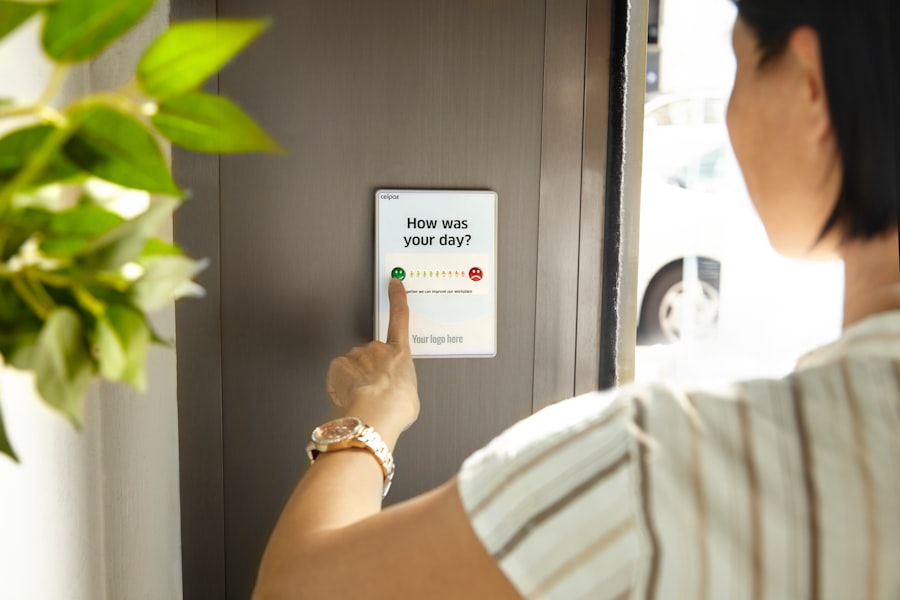
When employees feel they have a say and some control over their work, their investment naturally increases.
Autonomy in How Work Gets Done
Micromanaging is a surefire way to kill motivation. Trust your team to find the best ways to achieve their objectives. Provide clear goals and deadlines, but allow them to manage their own processes.
Flexible Work Arrangements
Where possible, offering flexibility in terms of hours or location can be a huge engagement booster. It shows you trust your employees to manage their time and responsibilities effectively.
Opportunities for Growth and Development
Feeling stuck is a major disengager. People want to learn, grow, and advance their careers.
Training and Skill Development Programs
Invest in your employees’ futures. Offer access to courses, workshops, or certifications that align with their career goals and the company’s needs. This shows you’re committed to their development journey.
Mentorship Programs
Pairing less experienced employees with seasoned veterans can provide invaluable guidance, support, and career insights. It fosters a sense of community and knowledge sharing.
Involving Them in Decision-Making
When appropriate, bringing employees into the decision-making process can make them feel more valued and invested in the outcomes.
Cross-Functional Project Teams
Including individuals from different departments on projects encourages diverse perspectives and can lead to more innovative solutions. It also breaks down departmental silos.
Seeking Employee Input on Process Improvements
Who better to identify inefficiencies than the people on the ground doing the work? Actively solicit their ideas for improving workflows and processes.
Recognition and Appreciation: Making People Feel Seen

It sounds simple, but a sincere “thank you” can go a long way. Underappreciating your team is a fast track to disengagement.
Acknowledging Effort and Achievement
Don’t let good work go unnoticed. Regular, specific praise is far more impactful than sporadic grand gestures.
Public Recognition
Highlighting an employee’s contribution in a team meeting or company-wide announcement can be very motivating. Just ensure it feels genuine and not forced.
Private, Timely Appreciation
A simple email, a quick chat, or a handwritten note acknowledging hard work or a job well done makes an employee feel personally valued. Timing is key – don’t wait weeks to say thank you.
Beyond Monetary Rewards
While compensation is important, recognition isn’t solely about bonuses or raises. Non-monetary forms of appreciation can be incredibly powerful.
Extra Time Off or Flexible Scheduling
If someone has gone above and beyond, offering them a bit more leeway with their time can be a highly appreciated reward.
Professional Development Opportunities as Rewards
As mentioned earlier, offering a spot in a sought-after training program can be a fantastic recognition of an employee’s dedication and talent.
Small Tokens of Appreciation
A team lunch, coffee vouchers, or even a company-branded item can show that you’re thinking of them, especially after a tough project.
Making Recognition Meaningful
The key is sincerity and specificity. Generic praise feels hollow.
“Thank you for your hard work on X project; your attention to detail in Y area made a real difference.”
This kind of specific acknowledgment shows you’ve been paying attention and understand the impact of their contribution.
Peer-to-Peer Recognition Programs
Empower your employees to recognize each other. This fosters a positive team culture and highlights contributions that managers might not always see.
Fostering a Positive Culture: Where People Want to Be
The overall atmosphere of your workplace has a huge impact on how people feel about coming to work each day.
Building Trust and Psychological Safety
People need to feel safe to be themselves, take risks, and admit mistakes without fear of retribution. This is the bedrock of a healthy culture.
Encouraging Open Dialogue and Debate
Create an environment where different opinions are welcomed and can be discussed respectfully. This doesn’t mean everyone has to agree, but everyone should feel heard.
Leaders Modeling Vulnerability and Honesty
When leaders openly discuss their own challenges or admit when they don’t have all the answers, it makes it safer for others to do the same.
Promoting Teamwork and Collaboration
A sense of belonging and shared purpose is crucial. When people work well together, the entire team thrives.
Team-Building Activities
These don’t have to be elaborate or expensive. Simple activities that encourage interaction and connection outside of daily tasks can be very effective.
Celebrating Team Successes
When the team hits a milestone or wins a new project, make sure to celebrate it as a collective achievement.
Encouraging Work-Life Balance
Burnout is the enemy of engagement. Acknowledging that employees have lives outside of work is vital.
Setting Realistic Workloads
Constantly overloading your staff leads to exhaustion and resentment. Be mindful of what’s achievable and provide adequate resources.
Discouraging Excessive Overtime
While occasional crunch times happen, a culture where consistent long hours are expected is unsustainable and detrimental to well-being.
Promoting the Use of Vacation Time
Encourage employees to take their earned time off. It’s essential for rejuvenation and preventing burnout.
Leading by Example: Managerial Impact
Ultimately, a manager’s behavior has a profound effect on their team’s engagement levels. You can have all the best strategies in place, but if managers aren’t on board, they won’t land.
Manager Training and Development
Equip your managers with the skills they need to be effective leaders. This includes communication, feedback, coaching, and recognizing talent.
Coaching Skills Development
Train managers to be coaches rather than just taskmasters. This involves helping employees develop their own solutions and grow their capabilities.
Empathy and Emotional Intelligence Training
These are critical for understanding and connecting with team members. A manager who can understand and respond to the emotional needs of their team will foster greater loyalty and engagement.
Empowering Managers to Act
Give managers the autonomy and the resources to implement engagement strategies within their own teams. Don’t create policies and then expect them to be implemented without support.
Managerial Discretion in Recognition
Allow managers some budget or leeway to recognize their team members in ways that they deem appropriate and impactful.
Managerial Input on Policy
Managers are often on the front lines of implementing company policies. Their insights are invaluable when developing or refining these policies.
Accountability for Engagement
Make employee engagement a part of managerial performance reviews. This ensures it remains a priority and is actively managed.
Tracking Team Engagement Metrics
Regularly review engagement survey results and other team-level metrics with managers. Discuss what’s working and what needs improvement.
Holding Managers Accountable for Retention
If a manager consistently experiences high turnover, it’s often a strong indicator of their impact on engagement.
By focusing on these practical, actionable strategies, you can move beyond generic advice and create a workplace where your employees genuinely feel connected, motivated, and eager to contribute. It’s an ongoing effort, but the rewards – a more productive, innovative, and loyal workforce – are well worth the investment.