

Okay, let’s talk about getting your home service business thriving online. The short answer to whether you need a professional website is a resounding “yes.” In today’s world, it’s not just a nice-to-have; it’s an absolute necessity. Think of it as your virtual storefront, always open, always ready to make a great first impression. Without one, you’re missing out on a huge chunk of potential customers who are looking for services just like yours, right now, online.
Let’s be real: people search for everything on their phones these days. Whether they need a plumber, an electrician, a painter, or a landscaper, the first place they often go is Google. If you’re not showing up, you’re essentially invisible to them. A good website isn’t just about having an online presence; it’s about establishing credibility, showcasing your work, and making it easy for people to hire you.
Establishing Credibility and Trust
Imagine you’re looking for a new service. Which provider would you trust more: one with a professional-looking website that clearly outlines their services, shows testimonials, and has contact information, or one that’s only found via a business card from a dusty bulletin board? The answer is obvious. A well-designed website instantly makes you look more legitimate and trustworthy.
- Professional Image: A polished site conveys that you take your business seriously.
- Showcases Expertise: You can highlight your skills, accreditations, and experience.
Always Open for Business
Your website works 24/7. When you’re off the clock, eating dinner, or even sleeping, your website can be out there answering questions, showcasing your services, and even booking appointments. This round-the-clock availability is a massive advantage in a competitive market.
- Information Anytime: Customers can find what they need on their schedule.
- Convenience for Clients: They don’t have to wait for your business hours to learn about what you offer.
Reaching a Wider Audience
Local word-of-mouth is great, and it’s still important. But a website can significantly expand your reach beyond your immediate neighbourhood. With the right local SEO (Search Engine Optimization) strategies, you can appear in search results for people specifically looking for services in your area – even if they haven’t heard of you through a friend.
- Beyond Referrals: Tap into a market you wouldn’t otherwise reach.
- Targeted Local Search: Attract customers specifically in your service area.
Key Elements of an Effective Home Service Website
So, you’re convinced you need a website. Great! But what actually makes one effective for a home service business? It’s not just about pretty pictures. It’s about practicality and user experience.
Clear and Concise Service Descriptions
Don’t make your visitors guess what you do. Each service you offer should have its own dedicated page or clearly defined section. Explain what the service entails, what problems it solves for the customer, and why they should choose you specifically.
- Detailed Explanations: Break down each service clearly.
- Benefit-Oriented Language: Focus on how you help the customer, not just what you do.
- Pricing Transparency (Where Applicable): Consider providing clear pricing or a way to get a quote.
Contact Information and Call-to-Actions (CTAs)
This seems basic, but you’d be surprised how often businesses make it hard to get in touch. Your phone number, email, and a contact form should be prominent – ideally in your site’s header, footer, and on a dedicated contact page. Every service page should have a clear “Call Now” or “Get a Quote” button.
- Highly Visible Contact Details: Don’t hide your phone number or email.
- Compelling CTAs: Guide visitors to the next step, like “Schedule an Appointment.”
- Multiple Contact Options: Cater to different preferences (phone, email, form).
Mobile-Friendly Design
More than half of all web traffic comes from mobile devices. If your website isn’t easy to read and navigate on a smartphone, you’re going to lose a lot of potential customers. Google also penalizes non-mobile-friendly sites in search rankings. This isn’t optional; it’s essential.
- Responsive Layout: Your site should adapt seamlessly to any screen size.
- Easy Tap Navigation: Buttons and links should be large enough to tap comfortably.
- Fast Loading Times: Mobile users are less patient with slow sites.
Customer Testimonials and Reviews
Social proof is incredibly powerful. People trust what other customers say about you more than what you say about yourself. Dedicate a section or even a full page to testimonials. Better yet, integrate reviews from platforms like Google My Business directly onto your site.
- Genuine Feedback: Display authentic reviews from satisfied clients.
- Builds Confidence: Shows potential customers that others have had positive experiences.
- Before & After Photos: For visual services (e.g., painting, landscaping), these are gold.
An Engaging Portfolio or Gallery
If your service involves a visual outcome (like landscaping, painting, remodeling, or even complex plumbing installations), a high-quality portfolio is your best friend. Show off your best work with clear, well-lit photos. If possible, add short descriptions about the project and the outcomes.
- High-Quality Visuals: Use good photos that showcase your craftsmanship.
- Project Details: Add context to your images.
- Varied Examples: Display a range of your skills and previous projects.
Beyond the Basics: Advanced Website Features for Growth

Once you’ve got the essentials down, there are several features that can really set your home service business apart and streamline your operations.
Online Scheduling and Booking
Imagine a customer needing an HVAC repair late at night. Instead of having to wait until morning to call, they can jump onto your website and schedule an appointment right away. This convenience is a massive differentiator and can significantly boost your conversion rates.
- 24/7 Booking: Customers can book on their own schedule.
- Reduced Admin Work: Frees up your phone lines and staff time.
- Increased Conversions: Easier for customers to commit to a service.
Service Area Page(s)
While you want to attract local customers, simply listing your service areas isn’t enough for SEO. Dedicated “Service Area” pages (e.g., “Plumber in [Specific Town X],” “Electrician in [Specific Town Y]”) can help you rank higher for location-specific searches, making it easier for people in those towns to find you.
- Hyper-Local SEO: Target specific neighborhoods and towns.
- Relevant Content: Tailor content to the needs of residents in that area.
- Appears in Local Packs: Increases chances of showing up in Google Maps results.
FAQs Section
Anticipate your customers’ questions and answer them upfront. An FAQ section can cover everything from your service process and payment options to your cancellation policy and what customers should do to prepare for a visit. This saves you and your customers time and builds confidence.
- Addresses Common Concerns: Reduces the need for customers to call with basic questions.
- Builds Trust: Shows transparency and that you understand their needs.
- SEO Benefit: Can rank for specific questions people ask.
Blog or Resource Section
A blog might seem like overkill for a home service business, but it’s a powerful tool for establishing you as an authority in your field. You can share tips, maintenance advice, explain common problems, or even showcase recent projects. This not only provides value to potential customers but also boosts your SEO by creating fresh, relevant content.
- Authority Building: Position yourself as an expert.
- SEO Boost: Fresh content helps your site rank for more keywords.
- Educates Customers: Provides valuable information and builds rapport.
The Importance of Professional Design (and Who Should Handle It)
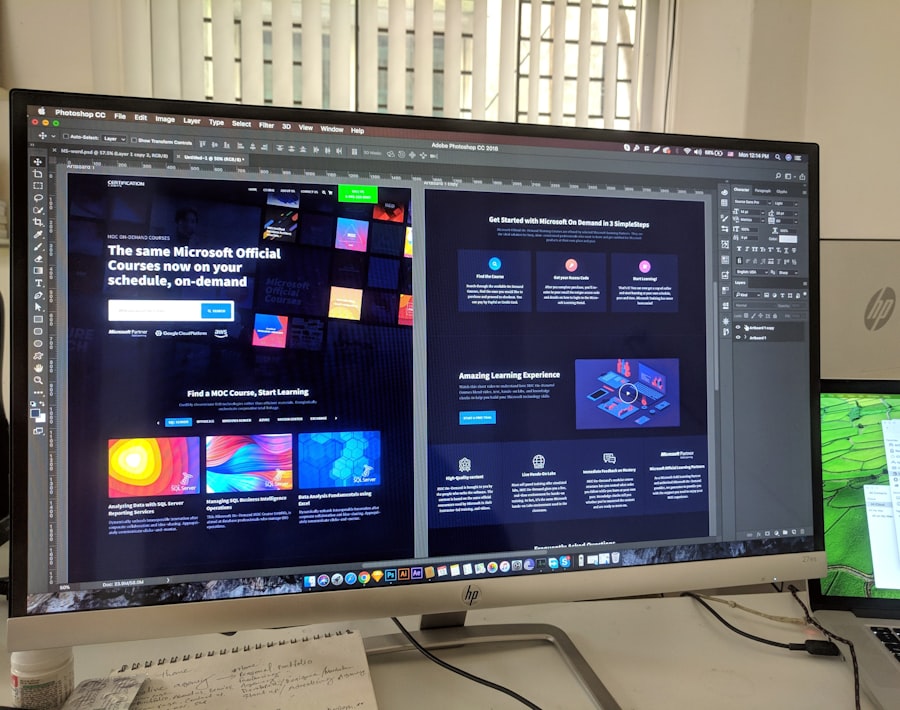
You might be tempted to use a free website builder or ask your tech-savvy nephew to set something up. While these options might save a few dollars upfront, they often fall short when it comes to truly supporting your business goals.
Why DIY Websites Often Fall Short
Free website builders have their place, but they usually come with limitations. They might be slow, difficult to optimize for search engines, offer limited customization, and often include branding that isn’t your own. For a business that relies on professionalism and trust, these can be significant drawbacks.
- Limited Customization: Your site might look generic, like many others.
- Technical Headaches: SEO, integrations, and advanced features can be complex.
- Branding Clutter: They sometimes force their own branding onto your site.
The Value of a Professional Web Designer
A professional web designer specializes in creating sites that not only look good but also perform well. They understand user experience, search engine optimization, and how to translate your business goals into a functional online platform. They can create a site that accurately reflects your brand, is easy for customers to use, and is built to generate leads.
- Expertise in UX/UI: Focus on how users interact with and experience your site.
- SEO Best Practices: Build your site with search engines in mind from day one.
- Custom Branding: Your website will truly represent your unique business.
- Ongoing Support: Many designers offer maintenance and updates.
What to Look for in a Web Design Partner
When choosing someone to build your website, don’t just go for the cheapest option. Look for a partner who understands your industry, has a portfolio of relevant work, and can communicate clearly. Ask about their process, what ongoing support they offer, and how they approach SEO for local businesses.
- Relevant Portfolio: Do they have experience with home service businesses?
- Clear Communication: Can they explain technical concepts in plain English?
- Local SEO Knowledge: This is crucial for home service businesses.
- Post-Launch Support: What happens after the site is live?
Getting Started: Your Website Checklist
Feeling a bit overwhelmed? Don’t be. Breaking it down into steps makes it manageable.
Define Your Goals
Before you even think about designs, figure out what you want your website to do. Do you want to generate more leads? Book more appointments directly? Establish yourself as the top provider in your area? Clear goals will guide the entire design and content process.
- Lead Generation: Focus on contact forms and CTAs.
- Online Booking: Integrate a scheduling system.
- Brand Authority: Emphasize portfolio, testimonials, and blog content.
Gather Your Content
Start collecting the pieces you’ll need: high-quality photos of your work, your company logo, copies of your licenses and certifications, detailed descriptions of your services, and testimonials from happy clients. The more you prepare upfront, the smoother the design process will be.
- Professional Photos: Invest in good images of your work and team.
- Service Descriptions: Write clear, benefit-oriented text for each service.
- Company Information: Your “About Us” story, mission, and values.
Understand Your Audience
Who are you trying to reach? Homeowners? Businesses? Apartment dwellers? Knowing your ideal customer helps tailor the language, design, and even the services you highlight on your site. For instance, a site targeting older homeowners might prioritize easy readability and clear navigation.
- Demographics: Age, income, location.
- Pain Points: What problems do they need you to solve?
- Motivations: Why would they choose you over a competitor?
Your website isn’t just a digital brochure; it’s a hardworking member of your team, constantly attracting new clients, answering questions, and building trust. Investing in a professional, effective website for your home service business is one of the smartest decisions you can make for long-term growth and success. Don’t let your competitors get ahead by being more visible online.