

So, you’re looking to get more folks from your neighborhood to become regular customers? That’s a smart move. The beauty of a local customer base is that they’re right there, they often appreciate supporting businesses in their community, and they can become your biggest advocates. The good news is, it’s often less about grand, expensive campaigns and more about consistent, practical steps that show you value them.
Before you start shouting from the rooftops, it’s helpful to take a step back and really think about who lives and works around you. This isn’t about stalking, but about honest observation and a little bit of research.
Who Lives Here?
Think about the demographics. Are there a lot of young families? Retirees? Students? Professionals? Each group has different needs and priorities. A shop that caters to busy parents might want to highlight convenience and quick service, while one near a university might focus on student discounts and late-night hours.
Local Demographics and Needs
- Families: Often looking for value, kid-friendly options, and convenience. Think about things like children’s menus, stroller access, or even play areas if applicable.
- Younger Professionals: May prioritize quality, unique experiences, and a place to socialize. They might be more responsive to social media presence and events.
- Retirees: Could be seeking a relaxed atmosphere, excellent customer service, and fair pricing. Loyalty programs that reward repeat visits can be particularly appealing.
- Students: Budget is usually a key factor. Look at offering student discounts, loyalty cards, or even partnerships with student organizations.
Who Works Here?
What businesses are operating in your immediate vicinity? Are there office buildings? Other retail stores? A hospital? Understanding the workforce can reveal a different set of potential customers and even opportunities for collaboration.
The Local Workforce Advantage
- Lunchtime and After-Work Rush: If you’re near offices, your busiest times might be during lunch breaks or right after work. Tailor your offerings and staffing accordingly.
- Weekday vs. Weekend: The rhythm of your neighborhood can change significantly between weekdays and weekends. Identify these patterns to optimize your operations and marketing.
- Business-to-Business Potential: Can you offer services or products to these nearby businesses? Think catering for office events, supplies, or even employee discounts.
Mapping Your Competition (and Opportunities)
You’re not alone in trying to attract local customers. Take a look at who else is serving your neighborhood. Don’t just see them as rivals; see them as indicators of what the community wants and where there might be gaps you can fill.
A Realistic Look at Nearby Businesses
- What are they doing well? What seems popular about their offerings or their approach?
- Where are they falling short? Is there a service or product that’s consistently missing or poorly executed? This is your opening.
- Can you collaborate? Instead of seeing them purely as competition, consider if there are ways you could partner to attract more foot traffic to the area as a whole. A “shop local” event involving several businesses could benefit everyone.
Making Your Physical Space Inviting
Your storefront, your shop floor – this is your first impression. It doesn’t need to be flashy, but it absolutely needs to be welcoming and functional for the people who live nearby.
Curb Appeal Matters
What does your business look like from the street? Is it clean? Well-lit? Do people walking by get a sense of what you offer? Simple touches can make a big difference.
Simple Exterior Enhancements
- Cleanliness: This is non-negotiable. Sweep the sidewalk, clean your windows, and make sure your facade is tidy.
- Clear Signage: Is your name visible and easy to read? Does it clearly indicate what you do?
- Inviting Entrance: A little bit of greenery, a clean doormat, or even a well-placed chalkboard sign can signal warmth.
- Good Lighting: Especially important in the evenings, good lighting makes your business feel safe and accessible.
Navigating Your Interior
Once inside, how easy is it for people to browse, find what they need, and interact with you or your staff? Friction here can drive customers away before they even spend a dime.
Creating a Welcoming Environment
- Layout and Flow: Can customers move around your space easily? Is the path to key products or services clear? Avoid clutter.
- Sensory Experience: What does it smell like? What’s the ambient noise level? Is the temperature comfortable? These small details impact how people feel.
- Product Display: Are your products showcased attractively and logically? Is it easy for customers to see what’s available and at what price?
- Comfort and Convenience: If you have seating, is it comfortable? Is there a place for customers to rest their bags or pushchairs?
Accessibility for Everyone
“Local” often means people of all ages and abilities. Ensuring your space is accessible broadens your potential customer base significantly.
Inclusive Design Principles
- Ramps and Step-Free Access: If you have steps, consider a ramp for wheelchairs, strollers, or those with mobility issues.
- Clear Pathways: Ensure aisles are wide enough for wheelchairs or mobility scooters.
- Accessible Restrooms: If you offer restrooms, make sure at least one is accessible.
- Assistance: Train staff to offer assistance to anyone who might need it, without making assumptions.
Building Real Relationships, One Interaction at a Time
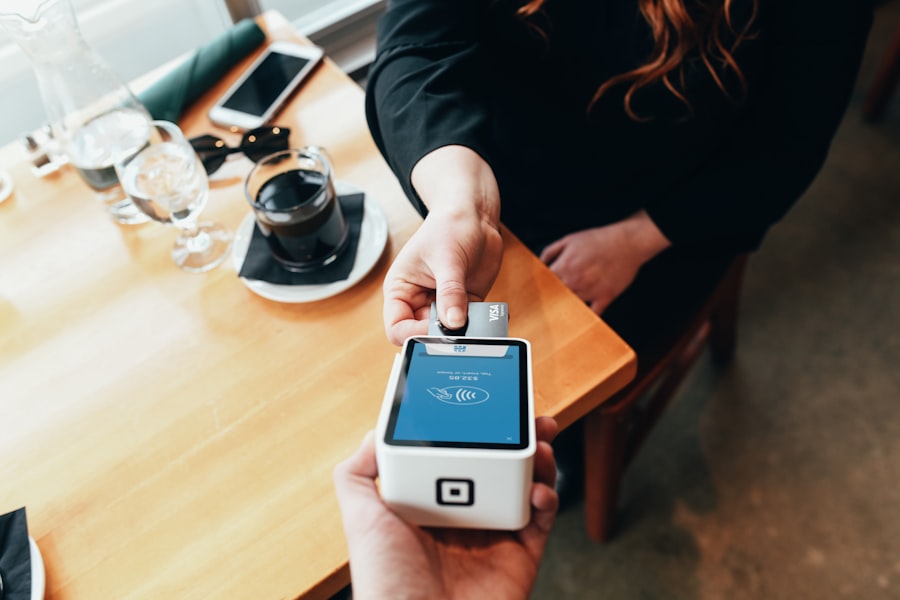
This is where the “local” really shines. People in your community want to feel like they know you and that you know them. It’s about genuine connection, not just transaction.
The Power of a Friendly Face
Your staff are the front line. Their attitude and how they treat customers can be the single biggest factor in whether someone returns.
Staff Training and Empowerment
- Greeting is Key: A genuine, warm greeting makes a huge difference. Train staff to acknowledge every customer who walks in.
- Active Listening: Encourage staff to truly listen to customer needs and questions, rather than just waiting for their turn to speak.
- Product Knowledge: Ensure your team knows your products or services inside and out. This builds confidence and helps customers make informed decisions.
- Problem Solving: Empower staff to resolve minor issues on the spot. This shows you trust them and value customer satisfaction.
- Remembering Faces and Names: If possible, train yourself and your staff to recognize regulars. A simple “Welcome back, Sarah!” can do wonders.
Personalization Goes a Long Way
Generic service is forgettable. Local customers appreciate it when you show you understand their individual preferences.
Tailoring the Customer Experience
- Remembering Preferences: If a customer always orders a specific item or has a particular request, try to remember it. This makes them feel valued.
- Personalized Recommendations: Based on what you know about a customer, offer suggestions for new products or services they might like.
- Loyalty Programs Done Right: Beyond just collecting points, make your loyalty program feel like a thank you for their continued support. Offer exclusive benefits or early access to new items.
- Birthday or Anniversary Perks: For businesses where this is appropriate, a small discount or gesture for a customer’s special day can foster loyalty.
Handling Complaints Gracefully
No business is perfect, and sometimes things go wrong. How you handle a complaint can often turn a negative experience into a positive one and solidify a customer’s loyalty.
Turning Challenges into Opportunities
- Listen Without Interruption: Let the customer fully explain their issue.
- Empathize and Apologize: Even if you don’t think you’re at fault, acknowledge their frustration. A sincere apology can de-escalate the situation.
- Find a Solution: Work with the customer to find a resolution that is fair and satisfactory.
- Follow Up: If necessary, follow up after the issue is resolved to ensure they are happy and to show you care.
Engaging with Your Local Community

Being a part of the community means more than just being present. It’s about actively participating and showing your commitment to the area.
Sponsoring Local Events
From school fairs to neighborhood block parties, supporting local events is a very visible way to connect.
Smart Sponsorship Choices
- Align with Your Brand: Choose events that naturally align with what you do or who you serve.
- Offer Tangible Support: Instead of just a banner, consider donating products, services, or staff time.
- Get Involved: Don’t just write a check. Have a presence at the event, interact with attendees, and hand out samples or information.
- Community Groups: Consider supporting local sports teams, scout troops, or charities.
Partnering with Other Local Businesses
Collaboration can be a powerful tool for mutual growth.
Cross-Promotion and Joint Ventures
- Cross-Promotional Offers: Offer a discount to customers who show a receipt from a partner business, and vice-versa.
- Joint Events: Host an event together, like a “Shop Local Saturday” or a themed evening.
- Referral Networks: Create a system where you regularly refer customers to each other, and vice versa.
- Bundle Offers: Create packages that combine products or services from different local businesses.
Participating in Community Initiatives
Chis is about being a good neighbor.
Showing You Care
- Volunteer Your Time: Organize staff volunteer days for local clean-ups, food drives, or community projects.
- Donate Space: If appropriate, offer your space for local meetings or events outside of your operational hours.
- Environmental Sustainability: Implement eco-friendly practices that benefit the local environment, like reducing waste or using sustainable packaging.
- Local Sourcing: If possible, source your own supplies or ingredients from other local businesses. Highlight this commitment.
Leveraging Digital Tools for Local Reach
While face-to-face is crucial, don’t underestimate how technology can amplify your local presence. It’s about making it easy for people to find and engage with you online.
Optimizing Your Online Presence
Think about how people might search for businesses like yours from their phones while they’re in the neighborhood.
Google My Business is Your Friend
- Claim and Optimize Your Listing: This is the single most important step. Ensure all your information is accurate: name, address, phone number, hours, website.
- High-Quality Photos: Upload appealing pictures of your business, products, and services.
- Encourage Reviews: Ask happy customers to leave reviews. Respond to all reviews, both positive and negative.
- Utilize Posts: Use the “Posts” feature to share updates, offers, events, or new products.
Social Media for Your Neighborhood
Social media isn’t just for broadcasting to the world; it’s a powerful tool for connecting with your local community.
Targeting Your Local Audience
- Geotagging: Always tag your location in posts.
- Local Hashtags: Use relevant local hashtags (e.g., #YourCitySmallBusiness, #NeighborhoodNameEats).
- Engage with Local Content: Like, comment on, and share posts from other local businesses and community groups.
- Run Localized Ads: Social media platforms allow you to target ads to specific zip codes or radius around your business. Focus on offers that appeal to your local audience.
- Run Contests and Giveaways: These are great for engagement and can attract new local followers.
Email Marketing for Regulars
Building an email list allows you to communicate directly with your most loyal customers.
Keeping Your Customers Informed
- Offer Incentives to Sign Up: A small discount or exclusive content can encourage sign-ups.
- Segment Your List: If possible, segment your list based on purchase history or preferences to send more targeted messages.
- Share Updates and Offers: Announce new products, upcoming events, special promotions, or changes in hours.
- Tell Stories: Share behind-the-scenes glimpses of your business or highlight your community involvement.
Measuring What Matters: Tracking Your Local Success
You’re putting in the effort, so it’s important to see what’s working and what’s not. This isn’t about complicated analytics; it’s about practical observation.
Simple Tracking Methods
It doesn’t require a data scientist. Just a bit of consistent effort.
Observing Customer Behavior
- Ask Customers How They Found You: A simple question at the point of sale can yield invaluable insights. “How did you hear about us today?”
- Track Coupon Redemptions: If you run local promotions, track which ones are most popular.
- Monitor Foot Traffic Patterns: Notice when your busiest times are and adjust staffing or offerings accordingly.
- Observe Repeat Customers: Make a mental note or use a simple system to recognize and acknowledge your regulars.
Digital Footprints
Use the tools you have to see who’s engaging with you online.
Online Analytics in Practice
- Google My Business Insights: This provides data on how customers find your listing, what actions they take (calls, website visits, direction requests).
- Social Media Analytics: Most platforms offer basic insights into reach, engagement, and audience demographics for your local followers.
- Website Traffic: If you have a website, look at where your visitors are coming from (e.g., local searches, social media).
Gathering Feedback
Actively solicit feedback from your customers.
Customer Feedback Loops
- Suggestion Box: A simple, old-fashioned suggestion box can still be effective.
- Short Online Surveys: Use tools like SurveyMonkey or Google Forms for brief feedback surveys.
- Informal Conversations: Encourage staff to have informal chats with customers about their experience and to relay feedback to you.
- Review Monitoring: Regularly check online review sites for feedback and respond thoughtfully.
By focusing on these practical, relationship-driven steps, you can build a strong, loyal customer base right in your own backyard. It’s about being a good neighbor, being consistent, and showing people that you value their business and their presence in your community.